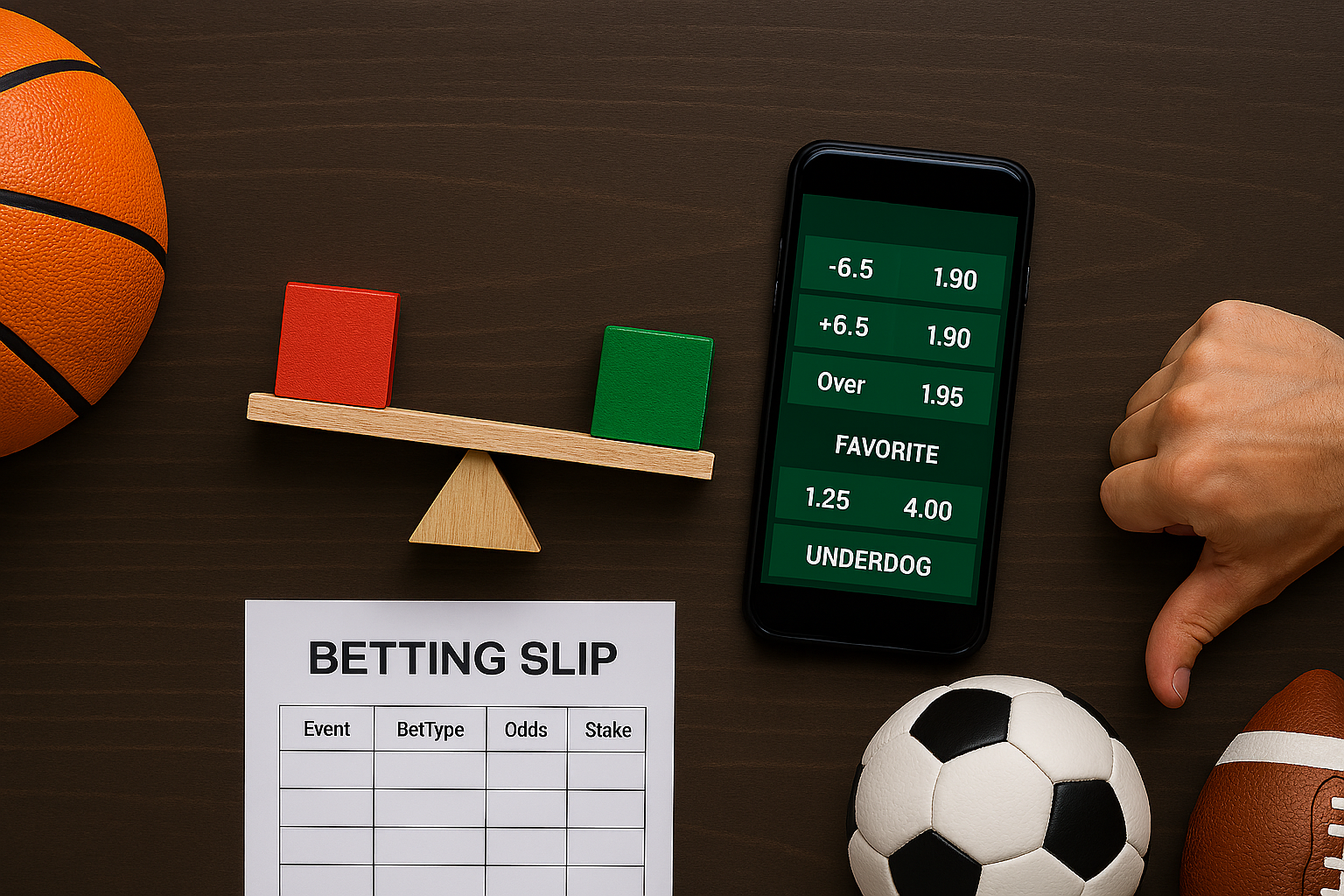

In sports betting, odds are meant to reflect the likelihood of an outcome. But when one team or player is significantly stronger than the other, traditional win/loss betting markets can become lopsided. The favorite may offer extremely low returns, while the underdog’s odds are inflated but unlikely to win. This imbalance discourages betting on both sides and creates risk for sportsbooks.
Enter the handicap system—a strategic tool designed to restore balance, increase engagement, and offer fairer betting opportunities. Whether it’s point spreads in American football or Asian handicaps in soccer, handicap betting adjusts the starting conditions to make contests more competitive from a wagering perspective.
Let’s explore how handicap systems work and why they’re essential for reducing odds imbalance.
What Is a Handicap in Sports Betting?
A handicap is a theoretical adjustment applied to one side of a matchup before the game begins. It gives the weaker team a head start or imposes a deficit on the stronger team. The goal is to create a more even betting market.
Example:
- Team A is heavily favored over Team B.
- A handicap of -6.5 is applied to Team A.
- This means Team A must win by at least 7 points for bets on them to pay out.
- Team B, with a +6.5 handicap, can lose by up to 6 points and still win the bet.
This adjustment shifts the focus from simply picking a winner to predicting the margin of victory, which adds nuance and balance to the odds.
Why Odds Become Imbalanced
Odds imbalance occurs when:
- One team is significantly stronger than the other
- Public sentiment heavily favors one side
- The underdog has little chance of winning outright
- The favorite’s odds are so low they offer minimal return
In these cases, sportsbooks struggle to attract bets on both sides. This creates liability and reduces market efficiency.
Handicap systems solve this by:
- Making the favorite’s bet harder to win
- Giving the underdog a realistic chance to cover
- Encouraging more balanced wagering
How Handicap Systems Restore Balance
1. Adjusting the Win Conditions
Handicaps redefine what it means to “win” a bet. Instead of betting on a team to win outright, you’re betting on them to win by a certain margin.
This allows sportsbooks to:
- Offer better odds on favorites
- Make underdog bets more appealing
- Reduce the gap between perceived strength and betting value
2. Creating Two-Sided Markets
Balanced betting markets require action on both sides. Handicap systems help achieve this by:
- Making both outcomes plausible
- Encouraging strategic analysis
- Reducing blind betting on favorites
This improves liquidity and reduces the risk of one-sided exposure for sportsbooks.
Types of Handicap Systems
Point Spread (North American Sports)
Used in football and basketball, point spreads assign a margin that the favorite must cover.
- Example:
- Patriots -3.5 vs. Jets +3.5
- Patriots must win by 4+ points
- Jets can lose by up to 3 and still win the bet
Point spreads are the most common form of handicap betting in the U.S.
Asian Handicap (Soccer and Global Markets)
Asian handicaps eliminate the draw and offer two outcomes. They use whole, half, and quarter-goal increments.
- 0 Handicap (Draw No Bet): Stake refunded if match ends in a draw
- -0.5 Handicap: Team must win outright
- -1 Handicap: Win by 2+ goals to cover; win by 1 = push
Quarter-goal handicaps (e.g., -0.25 or -0.75) split the bet into two parts, reducing volatility.
Asian handicaps are popular because they simplify outcomes and reduce uncertainty.
European Handicap (3-Way)
This format includes a draw option and is common in soccer.
- Example:
- Team A (-1)
- Draw (handicap)
- Team B (+1)
You’re betting on the adjusted score, which can result in a win, draw, or loss.
How Bookmakers Set Handicap Lines
Setting handicap odds requires data analysis and market insight. Bookmakers consider:
- Team strength and form
- Head-to-head records
- Injuries and suspensions
- Home/away advantage
- Weather and playing conditions
- Public betting patterns
The goal is to create a line that attracts balanced action on both sides. If too much money flows to one side, the line may shift to restore equilibrium.
Benefits for Bettors
Handicap systems offer several advantages:
Better Value
Favorites with low moneyline odds become more profitable when handicaps are applied.
Strategic Depth
Bettors must analyze margins, not just outcomes, which rewards deeper research.
Reduced Bias
Handicaps help bettors avoid emotional picks by focusing on performance gaps.
More Options
Handicap markets expand betting opportunities beyond simple win/loss outcomes.
Risks and Considerations
While handicap betting reduces odds imbalance, it introduces complexity:
- Requires understanding of scoring margins
- Pushes can occur (e.g., winning by exact handicap)
- Quarter-goal handicaps may confuse beginners
- Line movement can affect value if placed too early
Smart bettors study trends, shop for lines, and understand how handicaps interact with game dynamics.
Final Thoughts: Leveling the Odds with Handicaps
Handicap systems are essential tools in modern sports betting. They transform uneven matchups into competitive betting markets by adjusting the win conditions and balancing the odds. For sportsbooks, they reduce risk and improve engagement. For bettors, they offer better value and strategic depth.
Whether you’re betting on the NFL, NBA, Premier League, or tennis, understanding how handicaps work can help you make smarter, more informed wagers.
Read also: Why Small Odds Still Carry Large Accumulator Risk