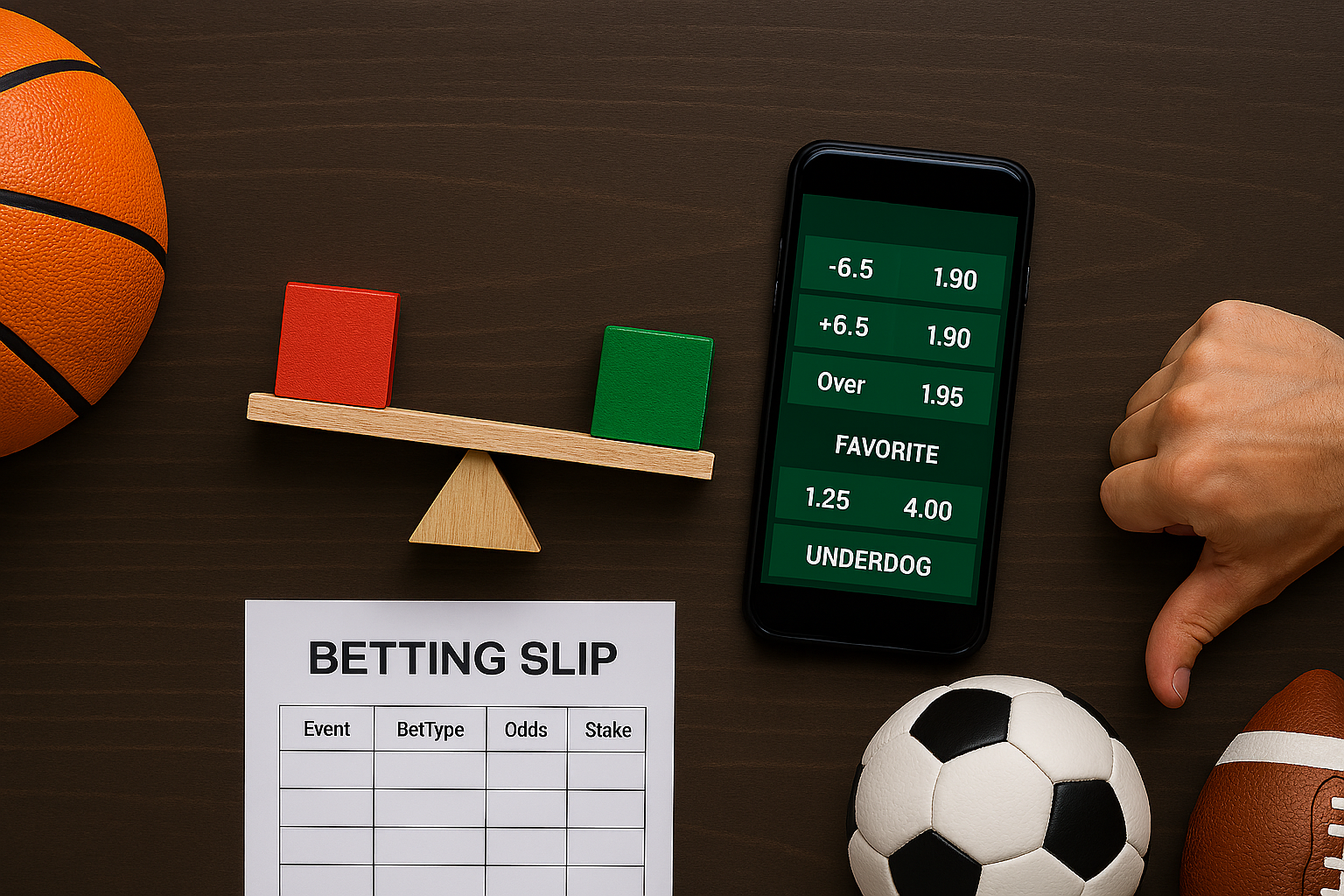

The settlement of multi-game bets, often called accumulators or parlays, works by linking several independent choices into one single contract where all selections must win for the ticket to be successful. If even one part of the bet loses, the entire stake is lost. However, if every game is a winner, the bookmaker calculates the final payout by multiplying the odds of each game together and then multiplying that total by the original amount of money spent.
The Stages of the Settlement Process
When a person places a multi-game bet, the process of settlement does not happen all at once. Instead, it moves through several stages as each individual match finishes.
Selection Validation: First, the bookmaker confirms that all games on the slip are eligible to be combined. Some games, like two different bets on the same match, cannot be put on the same ticket.
Individual Result Verification: As each game ends, the result is “settled” individually. If the first game wins, the potential payout for the whole ticket remains active.
The “Rollover” Calculation: Mathematically, the settlement works like a chain. The money from the first win is automatically placed onto the second game, and that total is then placed into the third.
Final Payout: Once the last game is finished and verified, the bookmaker releases the total funds to the user’s account.
How Odds are Calculated During Settlement
The most important part of the settlement is the math. Most modern sportsbooks use decimal odds because they are easier to multiply. For example, if a person bets $10$ on three games with odds of $1.50, 2.00,$ and $3.00,$ the settlement calculation looks like this:
In this scenario, the total payout is $90$. This includes the original $10$ stake and $80$ in profit. If the games were settled as single bets, the profit would be much lower.
Expert Insights on Settlement Rules
Understanding the fine print is vital because not every game ends in a simple win or loss. Expert analysts warn that “dead heat” rules or abandoned matches can change how a slip is settled.
“Settlement is not always a ‘yes’ or ‘no’ situation,” says Marcus Thorne, a veteran odds compiler. “If a match is cancelled or postponed, the bookmaker doesn’t usually cancel the whole ticket. Instead, they ‘void’ that specific leg. This means the odds for that game become $1.00,$ and the rest of the accumulator continues as normal.”
Sarah Vance, a risk management consultant, adds that “settlement timing” is a common point of confusion. “Users often expect their money the moment the whistle blows. However, official settlement requires data verification from official sports leagues. This can take anywhere from a few minutes to several hours depending on the complexity of the market.”
Original Data: Settlement Errors and Inquiries
Data from a 2024 consumer survey of digital sports platforms shows that settlement is the number one reason for customer support requests.
| Reason for Support Inquiry | Percentage of Total Requests |
| Delayed Settlement of a Won Ticket | 38% |
| Confusion Over Voided Matches | 22% |
| Misunderstanding “Cash Out” Settlement | 19% |
| Incorrect Result Reporting | 11% |
| Other Account Issues | 10% |
This data suggests that while the math is automated, the rules behind the math are often misunderstood by the average person.
The Role of “Cash Out” in Modern Settlement
A major change in how multi-game bets work is the “Cash Out” feature. This allows a person to settle their bet early, before all the games are finished.
If a person has a five-game ticket and the first four have won, the bookmaker will offer a “Cash Out” value. This value is calculated based on the current odds of the final game. By accepting this, the user agrees to a final settlement immediately.
“Cash out is essentially a mid-contract settlement,” explains James Carter, a sports data analyst. “You are selling your potential winnings back to the bookie for a guaranteed price. It is very popular because it removes the risk of the final game losing, but the bookmaker always takes a small extra fee for this service.”
Handling Postponements and Abandonments
One of the most complex parts of settlement happens when a game does not finish. Most bookmakers have a “24-hour rule.” If a game is stopped but restarted within 24 hours, the bet usually stays active. If the game is moved to a later date, that part of the multi-game bet is settled at odds of $1.00$ (a “void” or “push”).
This is important because it changes the total payout. A “ten-fold” accumulator can quickly become a “nine-fold” if one game is rained out. The “settlement price” will be lower than what was originally printed on the ticket.
Final Verification and Payouts
Once the final whistle of the last match blows, the settlement engine performs a final check. It looks for any late changes, such as a VAR (Video Assistant Referee) decision in football or a scoring correction in basketball. Once the official result is confirmed, the status of the ticket changes from “Open” to “Settled.”
For very large payouts, some companies perform a manual audit. This is to ensure there was no technical error or suspicious activity. For the vast majority of users, however, this happens instantly through computer algorithms.
Understanding how settlement works helps a person manage their expectations. It is not just about the final score, but about how those scores interact with the specific rules of the sportsbook.