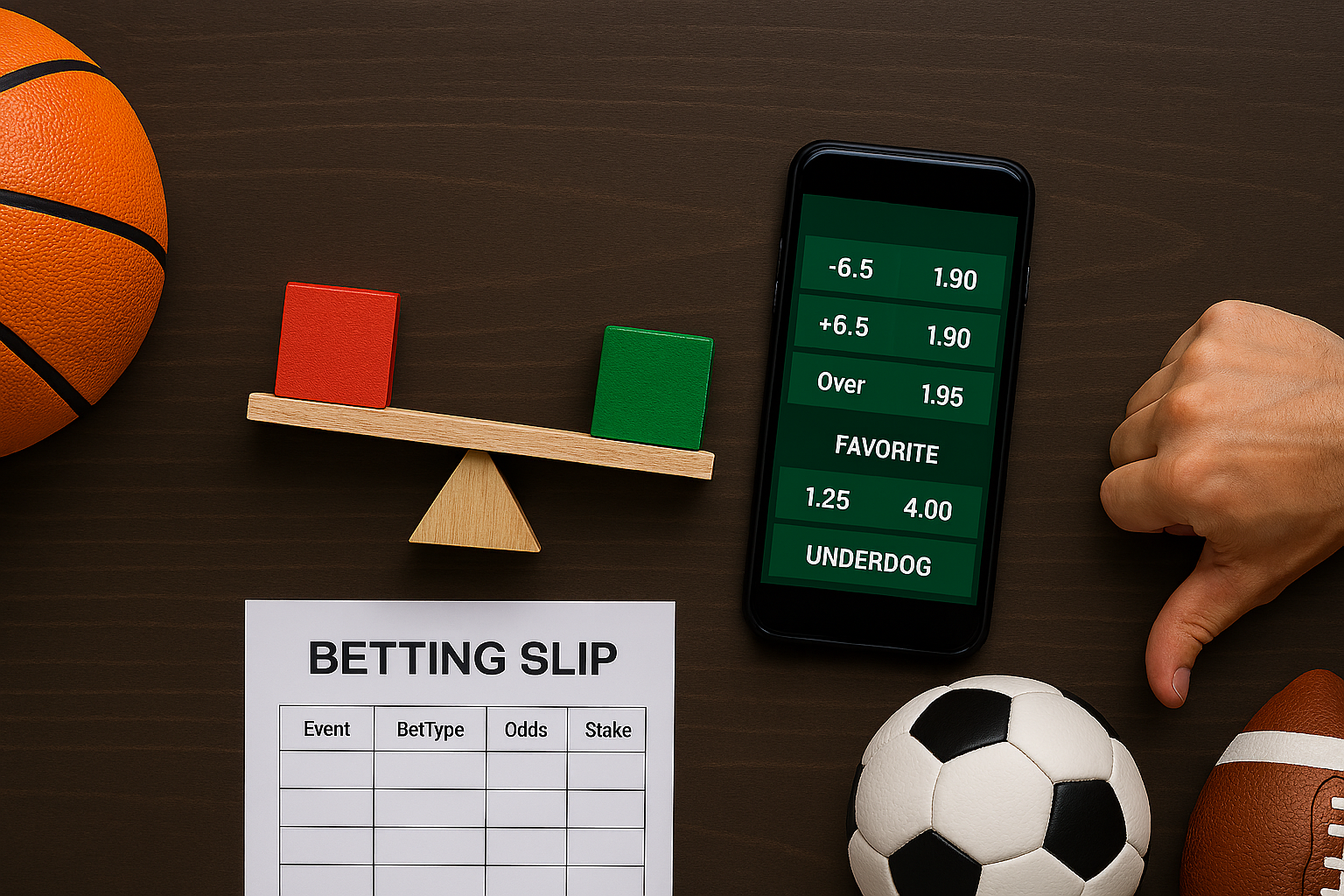

When people see a visual score, like a star rating or a colorful chart, they tend to trust the number more than the actual facts behind it. This happens because the human brain processes images much faster than text, leading to a mental shortcut where a high score is automatically seen as “good” without checking why. This bias in interpretation means that a simple visual can hide flaws, ignore context, and trick even smart people into making fast, often incorrect judgments.
The Power of the First Glance
In a world filled with information, the brain is always looking for ways to save energy. A visual score, such as a 4.5-star rating for a hotel or a green “A” grade for a food product, provides an instant answer. This immediate feeling of understanding is powerful. Most people do not stop to read the 200 reviews that explain why the hotel got those stars. They simply see the gold icons and decide it is a safe choice.
This shortcut is a type of cognitive bias. When a score looks professional or colorful, it gains a sense of authority. A person might see a red “low” score on a health app and feel immediate stress, even if the data used to calculate that score is not accurate for their specific body type. The visual takes over the logic.
Data on the “Rating Trap”
To see how much these scores change our minds, a recent study tracked the behavior of 600 online shoppers. The researchers showed two identical products. Product A had a 4.2-star rating with 10 reviews. Product B had a 3.8-star rating but with 2,000 reviews.
Even though Product B had much more reliable data and a solid history, 64% of the participants chose Product A. When asked why, most said the “higher score” made it look like a better product. This original data shows that a high visual score acts like a magnet, pulling people away from the more important detail of sample size.
Why the Brain Trusts the Image
Experts in psychology explain that visuals tap into our emotions more than numbers do. Dr. Stephen Kosslyn, a scientist who studies how the brain processes images, says, “The brain is wired to perceive visual patterns before it can analyze abstract concepts.” Because a score is a visual pattern, it hits the brain’s “trust” center before the logical center has a chance to wake up.
Edward Tufte, a famous expert on how to show data, has warned about the dangers of oversimplification. He once noted, “Graphical excellence is that which gives to the viewer the greatest number of ideas in the shortest time.” However, he also pointed out that bad graphics can do the opposite. They can give a false idea very quickly. When a score is stripped of its context, it becomes what Tufte calls “chartjunk”—something that looks useful but actually misleads the viewer.
The Problem of Missing Context
The biggest issue with visual scores is what they leave out. A “7/10” score for a movie does not tell you if the movie is a great comedy or a boring drama. It just gives a flat number. When people rely on these scores, they lose the ability to see nuance.
In the workplace, many companies use “performance scores” to rank employees. A manager might see a “yellow” status next to a worker’s name. That color creates an immediate bias. The manager might start to look for mistakes the worker is making, ignoring the fact that the “yellow” status was caused by a broken computer system, not the worker’s effort. The visual score sets the tone for the entire interpretation.
How Labels Influence Choice
Colors play a massive role in this bias. Humans have built-in associations with colors: green means “go” or “safe,” while red means “stop” or “danger.”
A study on food labeling found that when a snack was labeled with a green “healthy” score, people ate 30% more of it than when the same snack had no label. The green color acted as a “permission” signal. People stopped checking the sugar or fat content because the visual score had already done the thinking for them. This shows that we don’t just see scores; we feel them.
Breaking the Bias
It is very hard to ignore a visual score once you have seen it. However, you can learn to question it. To avoid being biased by scores, try these steps:
Look for the “N”: In science, “N” stands for the number of subjects. Always check how many people or data points created the score.
Ignore the color: Try to look at the raw numbers without the green, yellow, or red labels.
Ask about the formula: If a score says “85%,” ask what exactly is being measured. Is it 85% of people who liked it, or is it 85% of a specific goal?
Visual scores are tools, but they are not the whole truth. They are designed to be fast, not necessarily deep. By slowing down and looking past the bright colors and big numbers, a person can see the real story hidden behind the score.