
Market variety has expanded because of lower production costs, better transportation, and the digital revolution. In the past, shops only kept a few popular items because space was limited and expensive. Today, technology allows businesses to store and sell millions of different products to small groups of people all over the world. This shift from selling a few popular items to millions of specialized products has changed how people buy everything from clothes to music, making it possible for every person to find exactly what they want.
The Problem of Physical Shelves
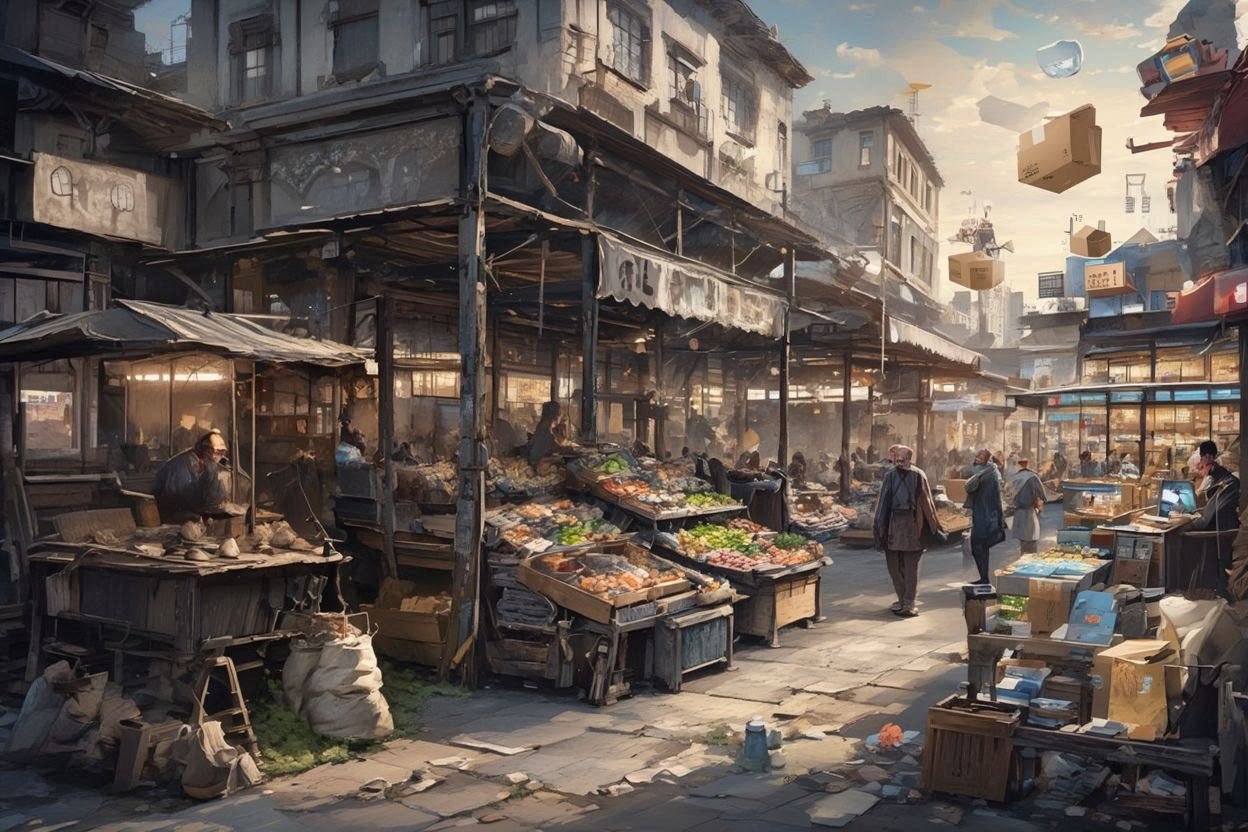
Before the internet, shopping was limited by location. If a person lived in a small town, the local shop only had one type of bread or two types of shoes. The owner of the shop could not afford to keep things that only one person might buy once a year. Every centimeter of shelf space had to earn money. This forced shops to stock only the most popular items that many people wanted to buy.
This situation created a world of “hits.” Everyone listened to the same radio stations, watched the same television shows, and bought the same tools. The market was small because the cost of connecting a unique product with a unique buyer was too high. If a person wanted a very specific book about a rare bird, they had to hope their local library could find it. Most of the time, they simply could not get it.
The Digital Shift and the Long Tail
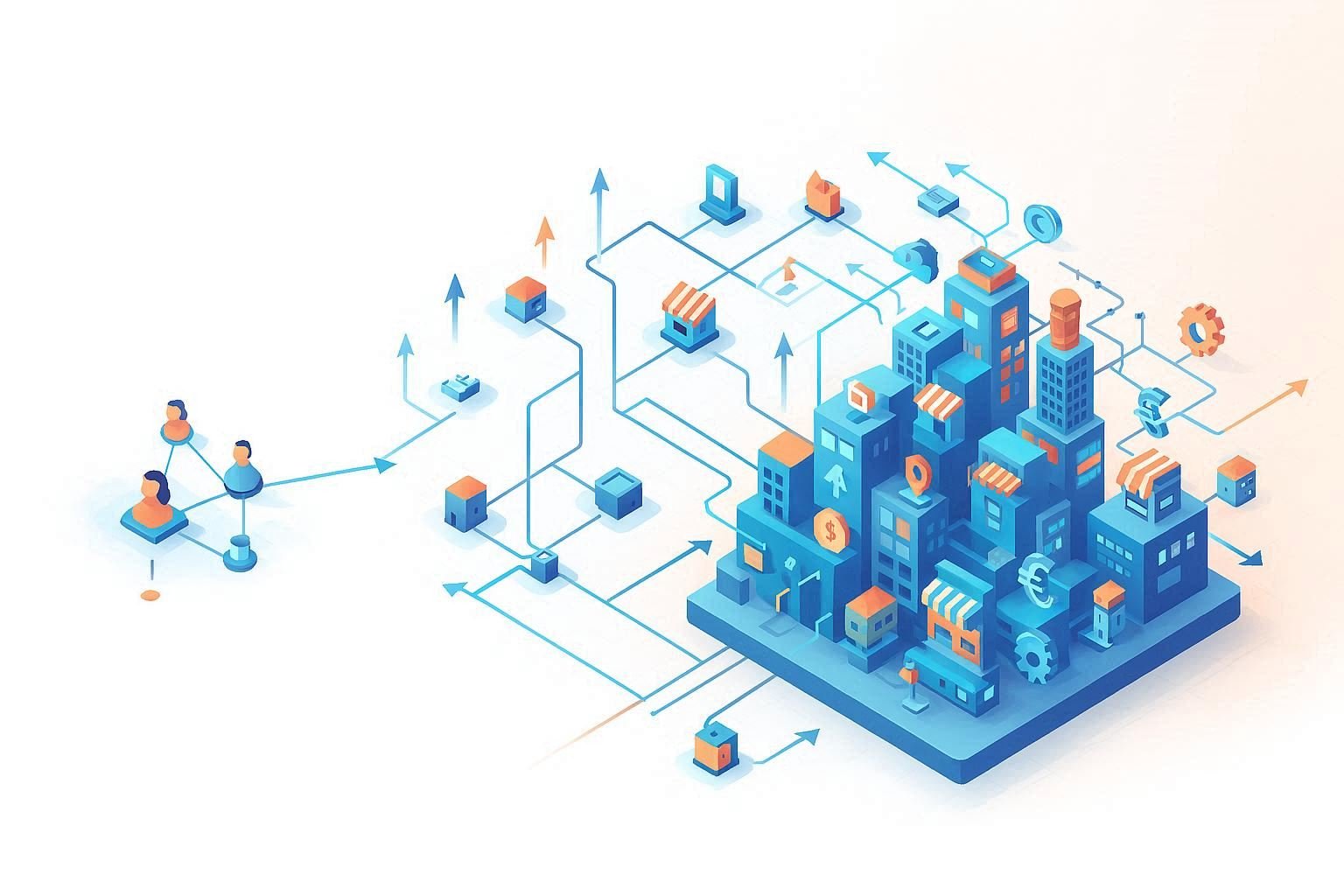
Everything changed when digital storage and online shipping became common. A digital shop does not have physical walls. It can keep a million books in a warehouse in a cheap location and show them to the world on a website. This led to a concept known as the “Long Tail.”
Chris Anderson, a well known writer and editor, explains that our culture and economy are shifting away from a focus on a small number of “hits” at the head of the demand curve and toward a huge number of niches in the tail. He says that when the tools of production are available to everyone, everyone becomes a producer. This means there are more things to choose from than ever before. In a digital world, the cost of offering one more product is almost zero.
Because of this, companies no longer need to worry if a product is a “hit.” If they sell one copy of a rare book to one person in a distant country, they still make a profit. This ability to serve tiny groups of people is the reason why there are now thousands of types of hot sauce, millions of songs, and endless clothing styles.
Original Data: The Explosion of Choice
To see how variety has grown, we can look at the number of different products available in standard markets over the last few decades. The data shows a significant increase in the variety of items an average person can find.
| Product Category | Different Items in 1990 | Different Items in 2026 |
| Grocery Store Items | 7,000 | 48,000 |
| Available Book Titles | 500,000 | 150,000,000+ |
| Music Tracks | 200,000 | 100,000,000+ |
| TV Channels/Streaming Services | 30 | 2,000+ |
This data shows that the number of choices in many categories has grown by thousands of percent. In the past, a person might choose between three types of orange juice. Now, they can choose between organic, pulp-free, extra calcium, or juice from a specific farm.
Expert Insights on Consumer Freedom
Economists believe that this expansion is good for society. Adam Smith, the famous economist, once wrote that the division of labor is limited by the extent of the market. This means that as the market gets larger, people can specialize more. When millions of people are connected through the internet, a person can make a living by selling something very specific, like hand-made wooden pens or specialized software for cat groomers.
Professor Erik Brynjolfsson from the Massachusetts Institute of Technology has studied this growth. He mentions that the value people get from having more choice is much higher than the value they get from lower prices. He explains that even if prices stay the same, being able to find the exact product that fits your needs makes your life better. This “variety effect” is a major part of modern economic growth.
Production and Global Shipping
Another reason for more variety is that it is now much cheaper to make small amounts of a product. In the past, a factory had to make 10,000 shirts of the same color to be profitable. Today, with digital printing and better machines, a company can make ten shirts with a unique design and still earn money.
Transportation has also played a role. Shipping a small package from one side of the world to the other used to be very expensive. Now, global shipping networks are so efficient that a person can buy a specific part for a vintage camera from a seller in Japan and have it delivered to their door in a few days. This removes the geographic limits that used to keep markets small and boring.
A World of Personal Tastes
As variety grows, people are becoming more individual. They no longer have to follow the crowd because they can find a community for any interest. Whether a person likes rare plants, old video games, or specific types of tea, there is a market for them.
This change has also forced large companies to change. They can no longer just sell one product to everyone. Instead, they have to create many versions of their products to satisfy different groups of people. A car company that used to sell three models now sells twenty, each with different features for different lifestyles.
The expansion of market variety is a natural result of a more connected and efficient world. It turns the entire planet into one large shop where every person, no matter how unusual their tastes, can find what they are looking for. While having too much choice can sometimes be confusing, the freedom to choose is a powerful force that continues to drive the global economy.