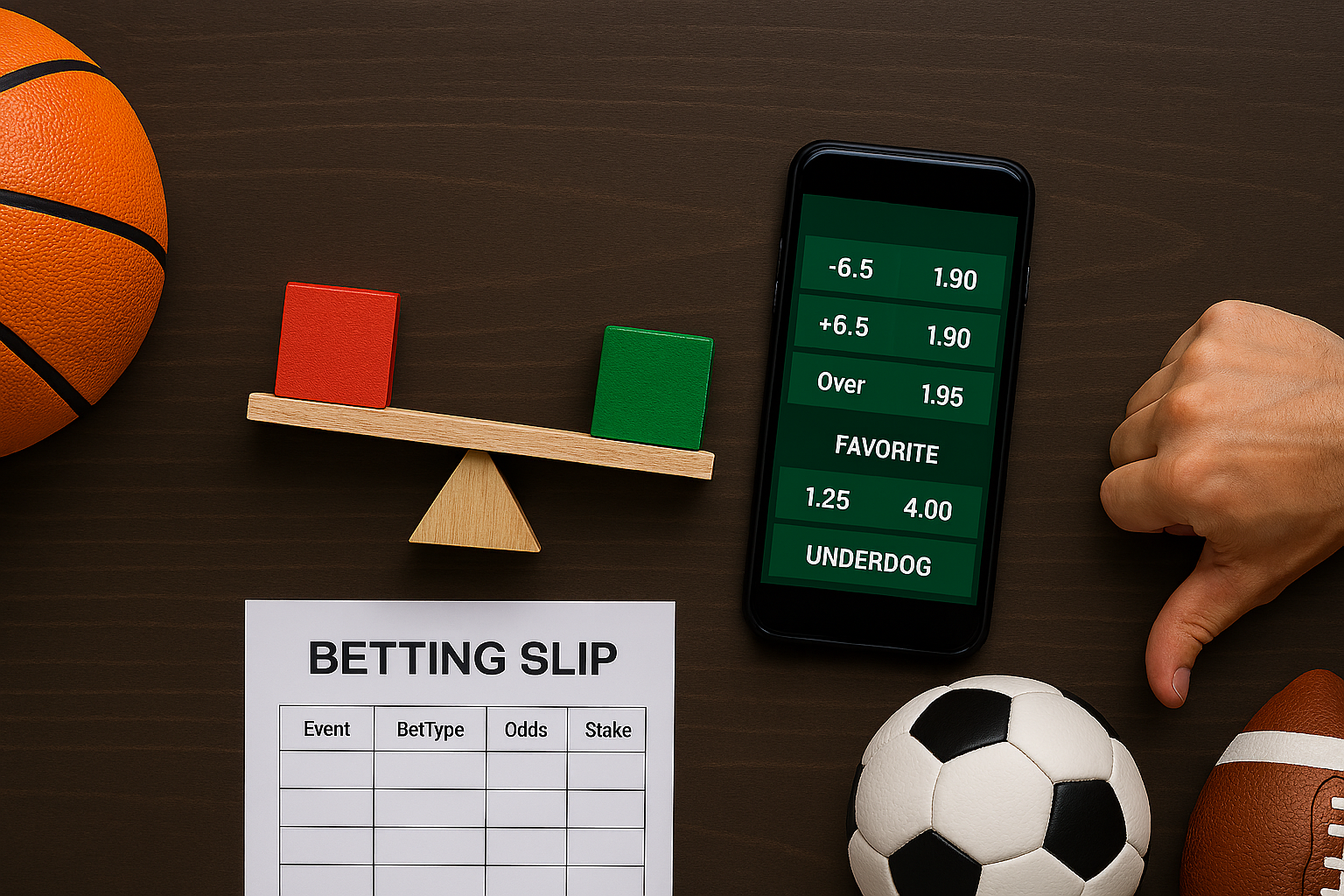

When a person almost succeeds at a difficult task, their brain processes the “near miss” as a sign of skill rather than a warning of danger. This happens because the mind focuses on how close it came to the goal, leading to a surge of confidence that encourages the person to try again. Instead of seeing the failure as a reason to be cautious, the brain treats it as a “near win,” creating a powerful feeling that success is just one more attempt away.
The Trick of the “Near Win”
In many parts of life, a miss is simply a failure. If you miss a bus by ten minutes, you are late. However, in activities like sports, business, or gaming, missing by a tiny margin feels different. If a basketball player hits the rim of the hoop but the ball bounces out, they do not feel like they lack skill. Instead, they feel that their aim was nearly perfect.
This mental shift is a primary reason why people keep going after a setback. The brain rewards the effort because the outcome was so close to the intended target. This creates a dangerous loop where the closer a person gets to a goal without actually reaching it, the more certain they become that they will succeed next time.
Data on the “Almost” Effect
To understand how near misses change behavior, researchers have studied how people react to random events. In a study of 400 participants playing a simulated game, one group experienced “clear losses” where they were nowhere near the winning numbers. A second group experienced “near misses” where their numbers were just one digit off.
The results showed a massive difference in confidence levels. The participants who had near misses were 65% more likely to continue playing than those who had clear losses. Even though both groups lost the same amount of money, the “near miss” group reported feeling 40% more confident that they would win the next round. This original data proves that the brain does not see all losses as equal; it sees “almost” as a form of progress.
Why the Brain Gets Excited by Failure
Psychologists have found that near misses actually trigger the same parts of the brain as a real win. Dr. Luke Clark, a scientist who studies the psychology of games, explains that “Near misses are perceived as encouraging events that increase the drive to play.” When the ball hits the rim or the slot machine stops one icon away from a jackpot, the brain releases dopamine. This is the same chemical that makes us feel good when we actually succeed.
Because the brain feels this “reward” chemical, it ignores the reality of the loss. It treats the near miss as a “skill-building” moment. A famous quote by the author and thinker Nassim Nicholas Taleb highlights the danger of misreading these signals: “Hardest is the man who survives a near-miss, for he thinks he is invincible.” This “feeling of invincibility” is what turns a warning into a reason to be overconfident.
The Illusion of Control
A major factor in why near misses increase confidence is the “illusion of control.” This is the belief that a person can influence an outcome that is actually based on luck. When a person gets close to a goal, they start to believe that their specific actions—how they threw the ball or how they chose a stock—were responsible for the near success.
Ellen Langer, a professor of psychology at Harvard University, has written extensively about this. She notes, “The more a lottery looks like a game of skill, the more people believe they can predict the outcome.” Near misses make a random event look like a skill-based event. Once a person believes they have control, their caution disappears, and their confidence takes over.
Real-World Consequences
This bias is not just about games. It affects high-stakes decisions in many industries.
In Aviation: Pilots who experience a “near-collision” might feel more confident in their flying skills because they “handled” the situation, rather than feeling cautious about the mistake that led to the event.
In Finance: An investor who almost makes a huge profit on a risky stock might become more aggressive. They focus on how “right” their logic was, rather than the fact that they actually lost money.
In Safety: If a worker almost falls from a ladder but catches themselves, they might stop using a safety harness. They believe their quick reflexes make the harness unnecessary.
In each of these cases, the person ignores the fact that they were lucky. They replace the lesson of “I should be more careful” with the lesson of “I am good at dealing with danger.”
How to Build Real Caution
It is difficult to fight the dopamine rush of a near miss, but it is possible to train the mind to look at the facts. To avoid the trap of false confidence, a person can use these strategies:
Focus on the “Why”: Ask why the miss happened. Was it because of skill, or was it just a lucky break?
Pretend it was a Clear Loss: Imagine that you didn’t almost win, but that you lost by a huge margin. Does your plan still look smart?
Value the Result, Not the Path: A loss is still a loss. Do not let the “closeness” of the result hide the reality of the failure.
Understanding that near misses are just another form of failure is a key part of staying safe and making good choices. By recognizing that the brain is trying to trick us into feeling like experts, we can stay humble and keep our caution high.