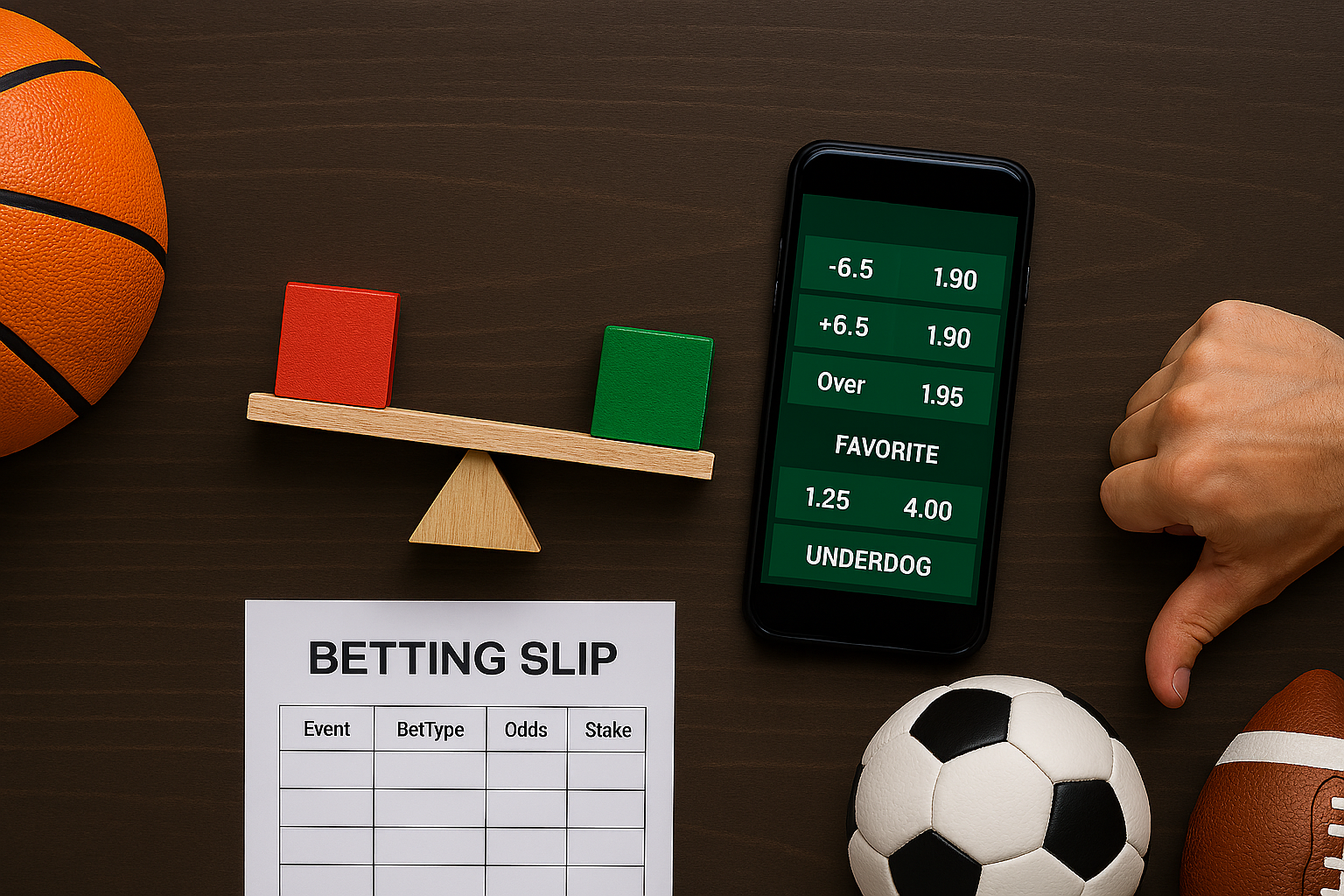

Knowledge of the rules provides the framework for how a game is played, but it does not determine the final result. Rules create boundaries and define how points are scored, yet the outcome depends on a mix of human performance, environmental factors, and random chance. Because these variables are unpredictable, even a person with a complete understanding of the regulations cannot be certain about what will happen when the competition begins.
The Difference Between Rules and Results
Knowing the rules is like having a map. The map shows you where the roads go and what the speed limits are, but it does not tell you if there will be a traffic jam or a sudden storm. In sports, the rules tell a player how to move the ball and what is considered a foul. However, the rules do not control the player’s tired muscles, the slippery grass, or a sudden gust of wind.
Imagine a person who has studied every regulation of basketball. They know exactly how many steps a player can take and how many seconds they can stay in the key. When they watch a game, they see a high-ranking team play against a team with fewer wins. The rules suggest that the more skilled team should score more points. But if the skilled team has a bad night and misses many shots, the rules cannot change that reality. The outcome is independent of the person’s knowledge of the process.
The Role of Randomness
Nassim Nicholas Taleb, a scholar who writes about risk, often talks about how people try to use logic to explain things that are actually random. He suggests that we often mistake our understanding of a system for the ability to predict its future. In a game of cards, you might know the probability of every hand. You know the rules of how to bet. Yet, the order of the cards in the deck is random. No amount of knowledge can change the next card that is turned over.
This is often called the Ludic Fallacy. It is the belief that the simple rules of a game represent the complex reality of life. In a game, the rules are fixed. In life and in sports, there are “unwritten” variables. A player might receive bad news before a game, or a referee might make a mistake. These events are not in the rulebook, but they have a huge impact on who wins.
Data: When Knowledge Meets Reality
To see how often the expected outcome fails despite the rules, we can look at data from professional sports leagues. In these leagues, the favorites are determined by people who understand the rules and the stats better than almost anyone else.
| League Type | Frequency of Favorites Winning | Frequency of Underdogs Winning |
| Professional Football | 64% | 36% |
| Professional Basketball | 68% | 32% |
| Professional Baseball | 58% | 42% |
This data shows that even when the rules and the history of the teams suggest a clear winner, the unexpected outcome happens about one-third of the time. If understanding the rules and the teams guaranteed an outcome, the win rate for favorites would be much closer to 100%.
Expert Insights on the Illusion of Certainty
Experts in decision-making often warn that confidence in our knowledge can be dangerous. Annie Duke, a successful poker player and author, explains that we often confuse the quality of a result with the quality of a decision. She says that a person can make a perfect decision based on the rules and still lose. This happens because luck always plays a part.
Decisions are bets on an uncertain future. Even if you know everything about the current situation, the future can still go in many different directions.
Joseph Buchdahl, a sports betting analyst, agrees that knowledge is only one part of the equation. He points out that the logic of a game is often hidden by “noise,” which are the small, random events that happen every second. He notes that people who think they have a “system” because they know the rules are often the ones who lose the most money. They forget that the system is only a guide, not a crystal ball.
The Story of the Perfect Plan
There was once a tennis player who spent months studying the physics of the game. He knew exactly how the ball should bounce according to the rules of the court surface. He understood the wind resistance and the tension of his racket strings. On the day of his match, he played a person who did not know much about physics but had spent years hitting balls against a wall.
The scientist had a plan for every shot based on logic. However, during the match, a small bird flew across the court and distracted him for a second. He missed a simple shot. Then, it started to rain slightly, making the balls heavier. His calculations were suddenly wrong. The other player, who was used to reacting to the moment rather than following a fixed logic, won the match. The scientist knew the rules and the science, but he could not control the environment.
Why Awareness Is Only the Start
Understanding rules is a necessary first step, but it is not the final step. It allows you to participate, but it does not give you power over the end result. In any contest, there is a gap between what should happen and what does happen.
Rules provide the structure, not the script.
Random events can override skill at any moment.
Human emotions and physical limits are not part of the rulebook.
Statistical averages only work over thousands of games, not in a single match.
When we accept that our knowledge is limited, we can make better choices. We stop looking for guarantees and start looking at possibilities. Knowing the rules makes the game interesting, but the fact that the outcome is never guaranteed is what makes the game worth playing.