The Road to the 2026 World Cup: A New Format for the Taeguk Warriors

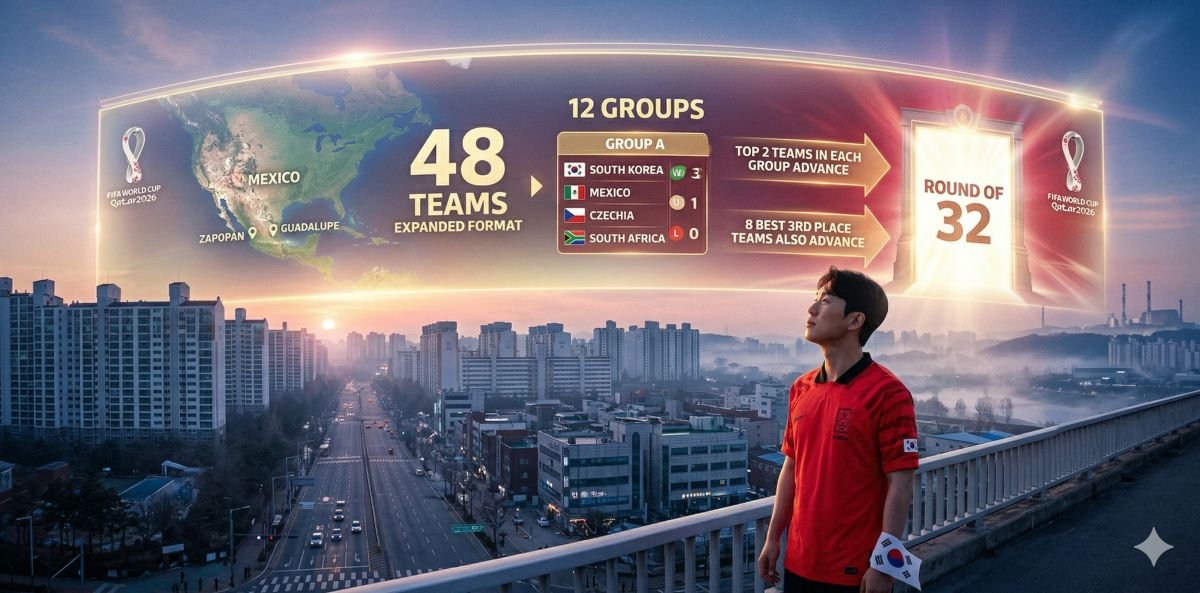
The 2026 FIFA World Cup is roughly two months away, with the first matches scheduled to begin on June 11. For many people in Ansan and across South Korea, this tournament represents a significant change in how international football is played and watched. If you have not followed a World Cup in a few years, the structure of this event might look unfamiliar. The tournament has grown to include forty-eight teams, which is a major jump from the thirty-two teams that competed in previous years. This expansion changes everything from the number of groups to the way teams qualify for the knockout rounds.
Understanding the Forty-Eight Team Expansion
In the past, the World Cup was divided into eight groups of four teams. The 2026 edition increases this to twelve groups, each still containing four teams. For South Korea, which has been placed in Group A, the journey starts with three guaranteed matches against the other members of the group. While the number of teams in a group remains the same, the sheer volume of competitors means the tournament will last longer and feature many more matches than before.
This expansion was designed to give more nations a chance to compete on the global stage. However, it also adds a layer of complexity to the schedule. For a fan in Ansan sitting down to watch the games, the most noticeable difference will be the addition of an entire extra round in the knockout stage. Instead of moving directly from the group stage to the Round of 16, the tournament now includes a Round of 32. This means that thirty-two teams will move past the initial group phase, compared to only sixteen in the old format.
The Round of 32 and the Safety Net for Third Place
Because thirty-two teams need to advance from twelve groups, the math has changed. In previous tournaments, only the top two teams from each group moved forward. Any team finishing third was immediately sent home. In 2026, the door remains open for those who finish in the middle of the pack.
The twelve group winners and the twelve second-place finishers will all advance automatically. This accounts for twenty-four teams. To fill the remaining eight spots in the Round of 32, FIFA will look at the performance of the third-place teams across all twelve groups. The eight teams with the highest point totals and the strongest tiebreakers among those who finished third will also move on.
This creates a safety net that did not exist before. A team could potentially lose a match and still find a path to the next round. This change in how teams move forward often causes people to miscalculate the odds of a team’s survival, similar to how 인간은 왜 무작위적 연속을 잘못 해석하는가 is a common mental trap in understanding sports patterns. For the Taeguk Warriors, this means that every single goal scored and conceded in Group A carries a weight that can determine their future even if they do not finish in the top two.
South Korea’s Group A Schedule
The draw has placed South Korea in a group that requires significant travel within North America. The matches are scheduled as follows:
Czechia vs. South Korea: June 11 in Zapopan, Mexico.
Mexico vs. South Korea: June 18 in Zapopan, Mexico.
South Africa vs. South Korea: June 24 in Guadalupe, Mexico.
For fans following along from Pacific Standard Time, these matches will take place in regions that are generally two hours ahead of PST. If a game kicks off at 6:00 PM in Zapopan, it will be 4:00 PM in California. For those watching in Korea, these games will likely appear in the very early hours of the morning. Understanding the pressure of these specific windows is important, as many fans feel that why one match determines the entire outcome is the defining characteristic of the World Cup experience.
The Point System and the Importance of Tiebreakers
The way teams earn points remains traditional. A win is worth three points, a draw is worth one point, and a loss provides zero points. The real complexity arises when teams are tied on points at the end of the three group matches. Because the “best third-place” rule is in effect, the tiebreakers are more important than ever.
If two or more teams have the same number of points, FIFA applies the following rules in order:
Goal Difference: This is the total goals scored minus the total goals conceded.
Goals Scored: The total number of times a team put the ball in the net.
Head-to-Head Result: The outcome of the match between the tied teams.
Fair Play Record: Points deducted for yellow and red cards.
Drawing of Lots: A random selection if everything else is equal.
Why the Score Margin Matters More Now
For a casual viewer, it might seem like a win is a win. However, in this expanded format, the margin of victory is a critical tool for survival. A 3-0 victory provides much more security than a 1-0 victory, even though both results give the team three points. If South Korea finds itself fighting for one of the eight wildcard spots given to third-place teams, a high goal difference could be the only thing that saves them from elimination.
This is why you might see a team continuing to attack even when they are already leading in the final minutes of a game. They are not just trying to win the match, they are trying to pad their statistics to ensure they rank higher than third-place teams in other groups. Every goal becomes a piece of insurance against future mistakes.
Preparing for the Kickoff
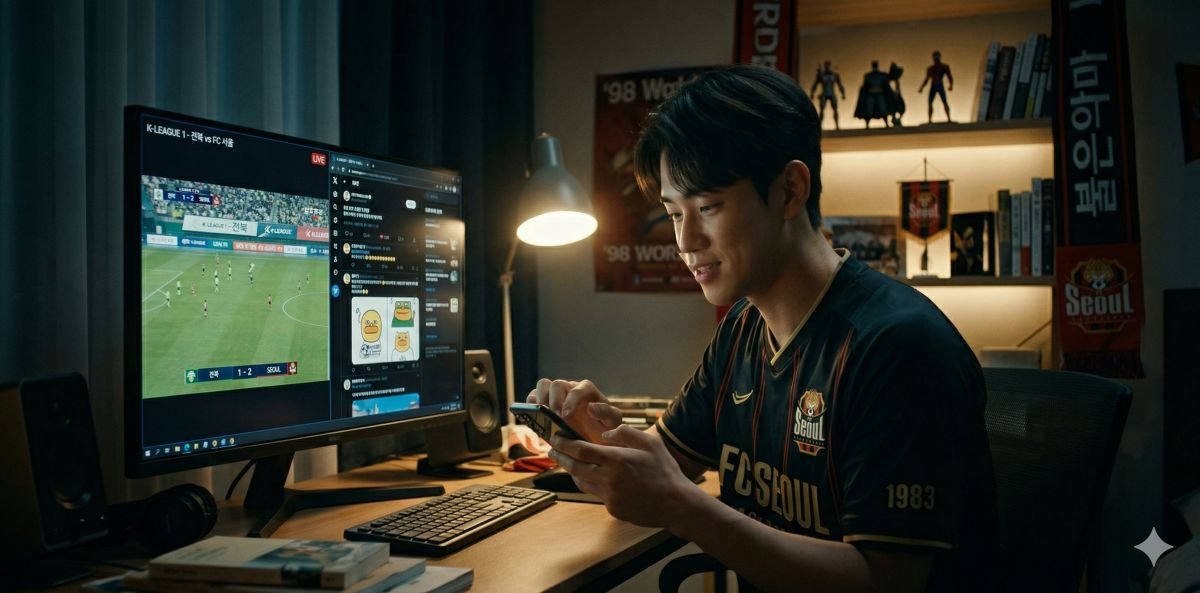
As June 11 approaches, the excitement in the sports communities of Ansan continues to build. The transition to a forty-eight team format means more football, more teams, and a more complex path to the trophy. While the addition of the Round of 32 and the wildcard spots for third-place finishers might seem confusing at first, it ultimately means that the drama of the group stage lasts longer.
By keeping an eye on the points, the goal difference, and the results of teams in other groups, fans can get a clearer picture of South Korea’s standing. The 2026 World Cup is a massive undertaking, and for the Taeguk Warriors, the journey through Zapopan and Guadalupe will be defined by how well they navigate this new legal and structural architecture of global football.