
A January 2026 study documented something that many sports fans have encountered without recognizing it: coordinated networks of AI-generated fake content targeting sports audiences with fabricated quotes, invented controversies, and false announcements. Understanding how this works — mechanically, behaviorally, and structurally — is now a practical necessity for anyone who follows sport through digital channels.
What Changed and Why It Matters Now
Sports misinformation is not new. Transfer rumors, fabricated quotes, and invented controversies have circulated in fan communities for as long as online forums have existed. What changed is the production mechanism, and the change is significant enough to alter the scale and sophistication of the problem entirely.
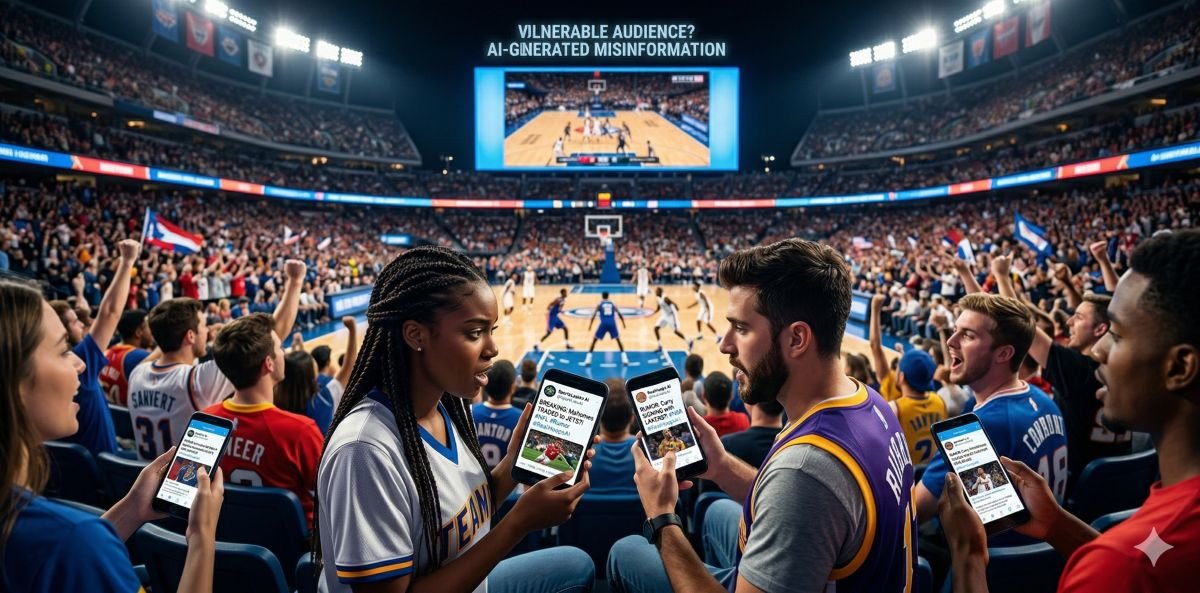
A study by AI risk management firm Alethea, published in January 2026, mapped how coordinated networks of AI-generated sports content operate across social media platforms. The report found that advances in generative AI have dramatically lowered the barrier to producing high-volume, convincingly realistic fake content. Where previous misinformation efforts required manual effort — someone writing a fabricated story, designing a fake graphic, and distributing it one post at a time — today’s AI-powered systems can produce dozens of realistic fake announcements simultaneously, complete with authentic-looking team branding, plausible athlete quotes, and emotionally charged framing designed to provoke immediate reaction.
The result is a qualitative shift in what sports fans are navigating online. The volume of fake content has increased substantially. The quality has improved to the point where individual pieces are often indistinguishable from legitimate reporting without direct verification. And the distribution is faster than any fact-checking response can reliably match.
How These Networks Actually Operate
The Alethea research provides specific detail on the operational structure of AI-generated sports misinformation networks. Understanding that structure helps fans recognize what they are encountering.
These networks typically begin with content generation at scale. AI systems produce large numbers of posts, graphics, and short-form videos centered on high-engagement sports topics — transfer windows, coaching changes, controversial in-match decisions, and athlete behavior off the pitch. The content is calibrated to provoke strong emotional responses, because outrage and excitement are the emotions most reliably associated with rapid sharing.
The generated content is distributed through networks of accounts that may appear to be individual fans, sports commentary pages, or local sports news aggregators. Many of these accounts have established posting histories that make them appear legitimate. The accounts amplify each other’s content, creating the appearance of organic consensus around a false narrative.
Embedded within or linked from this content are often outbound links. Security researchers examining these networks flagged a significant proportion of those links for phishing attempts and malicious redirects — meaning that a fan who clicks through on what appears to be a breaking news story about their team may be directed to a site designed to harvest credentials or install malware.
The Specific Signal That Betrays AI Origin
One of the most practically useful findings from the Alethea research is the identification of a specific behavioral tell that distinguishes AI-generated misinformation from ordinary sports rumors.
AI systems producing content at volume often generate contradictory claims simultaneously. The research documented cases where fake reports claimed a single coach or player had been hired by multiple different clubs at the same moment — a pattern that would be impossible in authentic reporting but that emerges naturally when an AI system is generating variations on the same story template without coordination logic built in.
When a fan encounters a situation where a single prominent figure appears to be simultaneously linked to several different teams or events through multiple seemingly independent sources, the most likely explanation is that an AI system is generating story variations rather than that a genuinely complex situation is developing. That specific pattern — contradictory simultaneous announcements involving the same person — is the clearest diagnostic signal currently identified.
Why Sports Fans Are Particularly Exposed
The Alethea findings are general in scope, but the vulnerability they describe is amplified in sports fan communities for specific reasons.
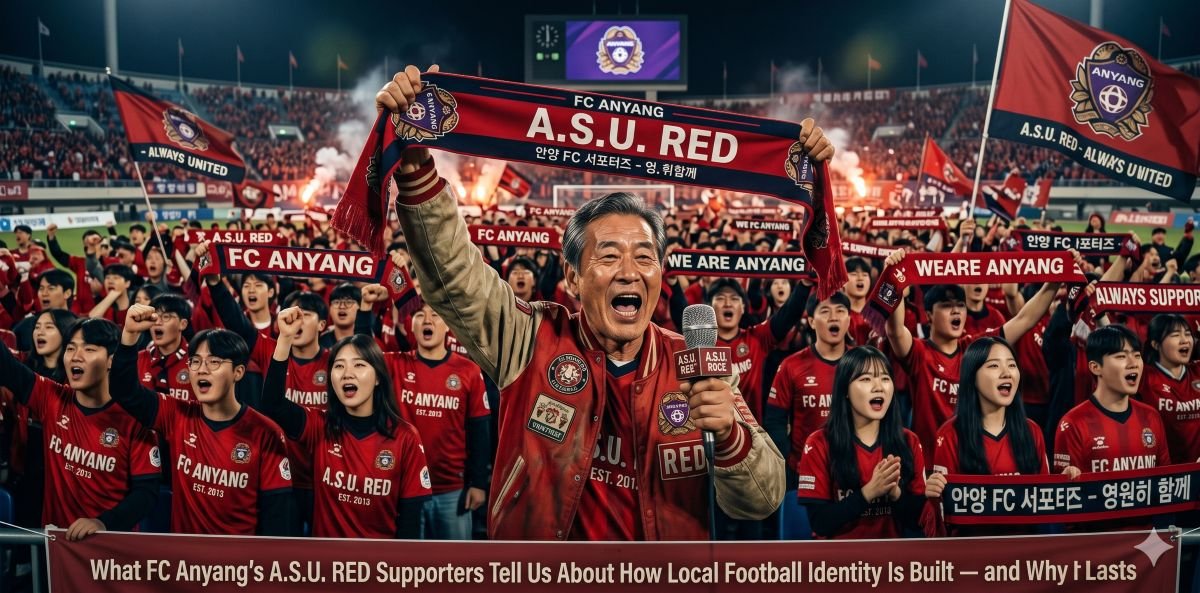
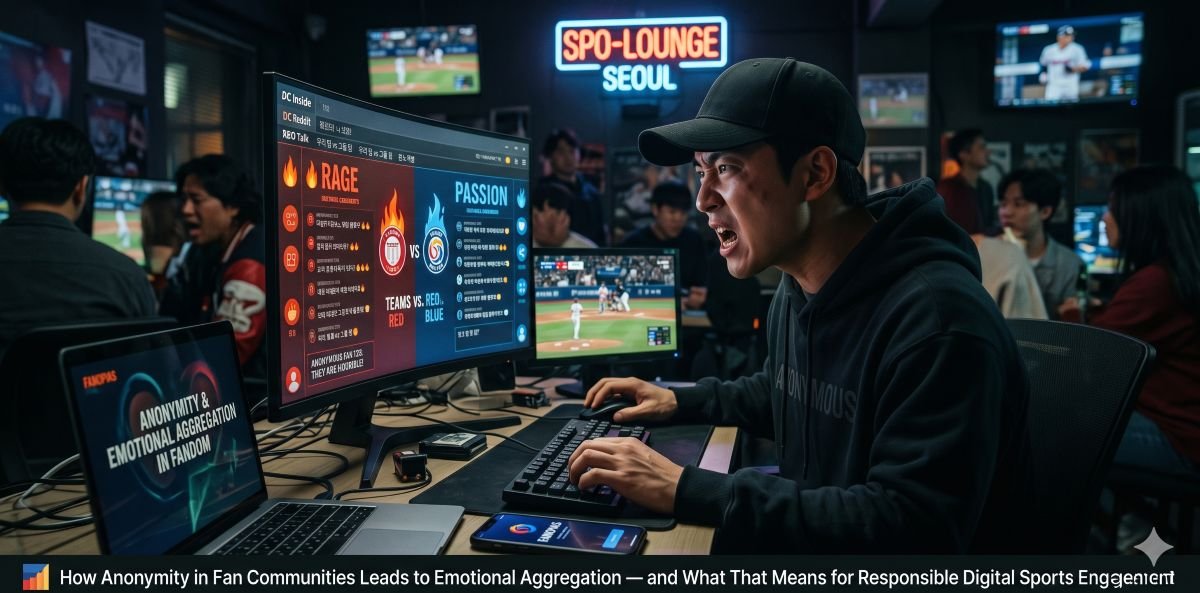
Sports fans have an extremely high emotional investment in outcomes, announcements, and controversies involving their teams and athletes. That emotional investment creates a strong motivation to engage with information quickly — before verification — because being among the first to know and react is itself part of the fan experience. Misinformation networks are designed to exploit precisely this dynamic. The outrage or excitement they generate is not a byproduct of the content. It is the mechanism through which the content spreads.
As the 2026 FIFA World Cup approaches, Korean fan communities are among the most actively information-seeking sports audiences in the world. Korean fans follow the national team, domestic league competitions, and internationally based Korean players across multiple platforms simultaneously, including social media, dedicated fan forums, and the chat functions embedded in live streaming services. Each of those channels represents an entry point for AI-generated misinformation, and the intensity of engagement during a World Cup year means that false content spreads faster and reaches larger audiences before corrections can follow.
The Behavioral Habits That Reduce Exposure
The Alethea researchers offered guidance that is practical rather than theoretical. Three habits, applied consistently, substantially reduce a fan’s exposure to the risks AI-generated sports misinformation creates.
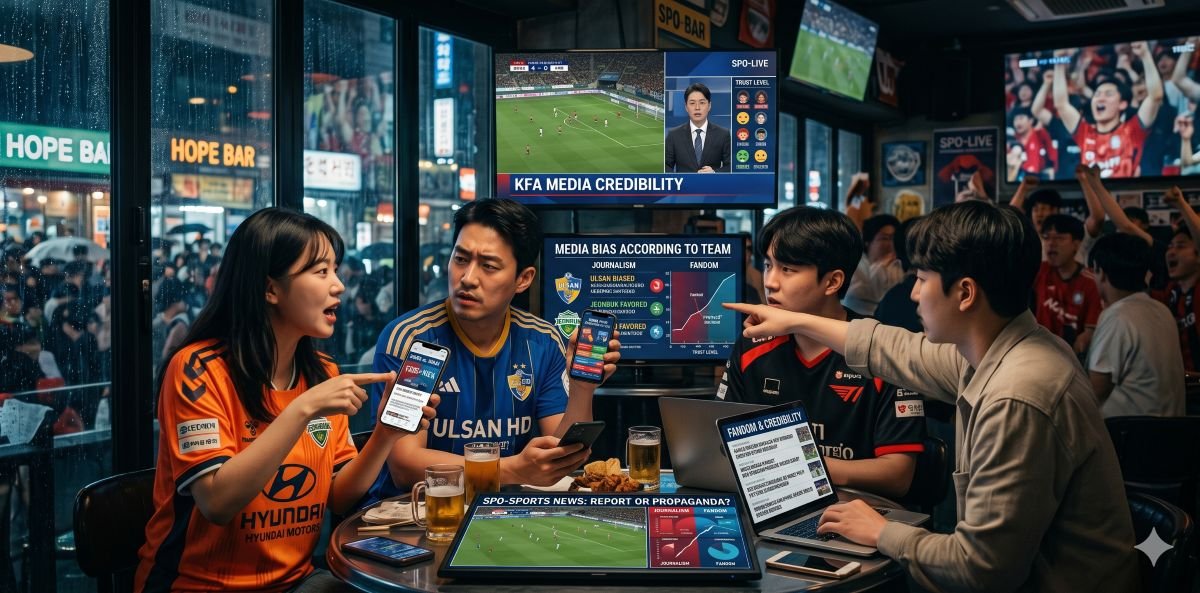
The first is verification through official channels before engaging with breaking news. Official team accounts, league communications, and established sports media organizations maintain editorial standards that AI-generated content farms do not. A transfer announcement, coaching change, or controversial statement that has not been confirmed by an official source within a reasonable time window should be treated as unverified regardless of how many secondary accounts are circulating it.
The second is link caution. Clicking outbound links in sports content encountered through social media comment sections or fan forums carries real risk. The phishing and malicious redirect threats documented by security researchers in these networks are not hypothetical. The simple habit of not clicking links in unexpected places — regardless of how relevant or exciting the attached content appears — eliminates a meaningful category of exposure.
The third is recognizing outrage as a signal rather than a response. AI-generated misinformation is engineered to produce strong emotional reactions because those reactions drive the sharing behavior the networks depend on. When a piece of sports content generates an immediate, intense emotional response — particularly outrage or excitement about something unexpected — that emotional intensity is itself a reason to pause rather than engage immediately.
How confidence in information can outpace the accuracy of that information in fast-moving digital environments is a behavioral dynamic directly relevant to this topic. For analytical framing on how that gap develops and what it means for digital engagement, Why Confidence Grows Faster Than Accuracy provides useful context on the underlying mechanism.
For a broader look at how digital platform behaviors and risk awareness intersect in the Korean sports media context, How Korean Generation Z Sports Fans Engage Differently With Digital Media offers directly applicable findings on how media literacy levels affect engagement quality and vulnerability to misleading content.