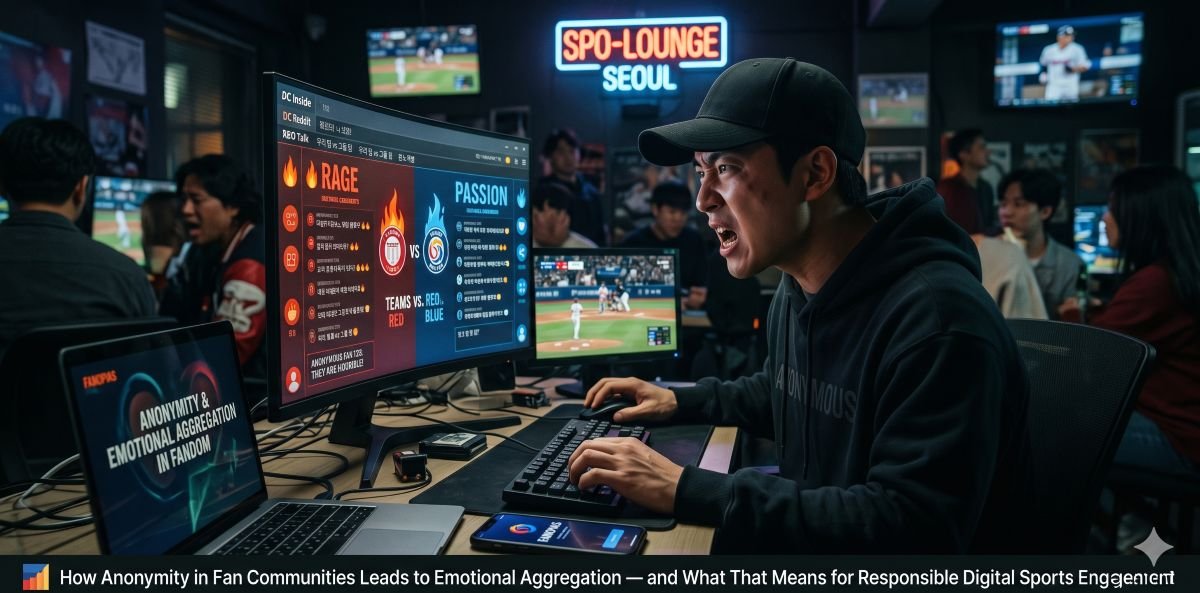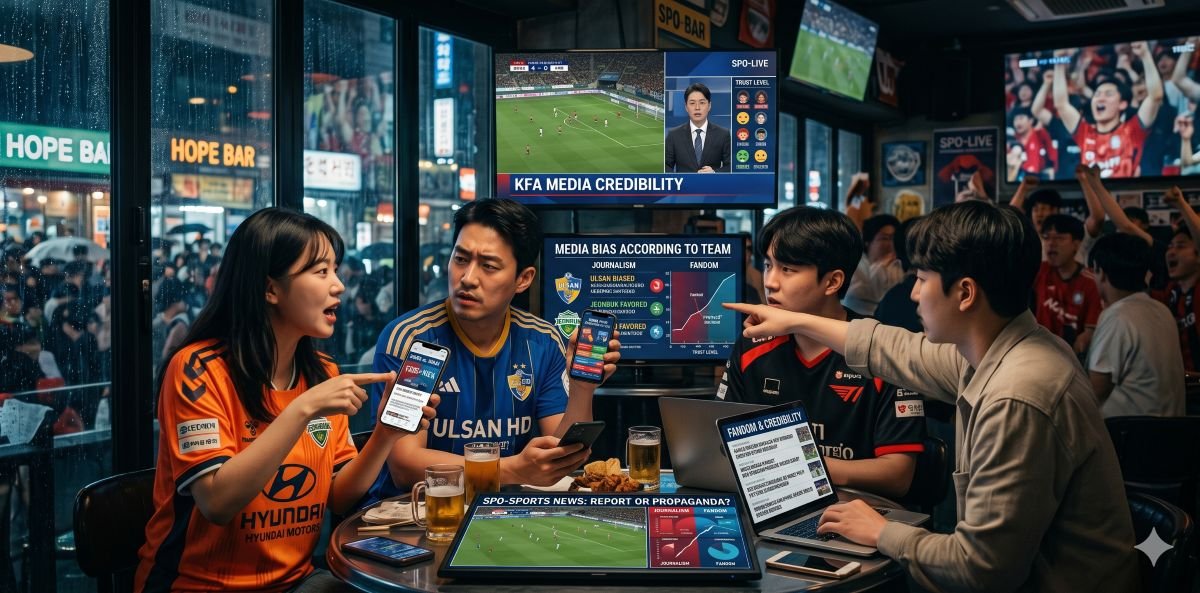

A peer-reviewed study published in February 2026 by researchers at Kyung Hee University in Gyeonggi-do examined how Generation Z adults in South Korea engage with sports content across digital platforms — finding significant variation in engagement quality based on digital literacy levels, even within the same age group. For residents of Ansan and across Gyeonggi-do, the research raises a question that cuts closer to home than it might first appear: does simply having access to sports content online translate into meaningful, informed engagement — or does the quality of that engagement depend on something deeper?
What the Study Examined
The study examined differences in sports learning among Generation Z based on digital literacy, using the Unified Theory of Acceptance and Use of Technology and Media Richness Theory as its analytical frameworks. Data were collected from Generation Z adults engaged in sports learning through platforms including YouTube, social networking services, online lecture platforms, and mobile applications. Participants were classified into low, medium, and high digital literacy groups.
The research was conducted at Kyung Hee University’s Department of Physical Education, Graduate School of Education, based in Yongin-si in Gyeonggi-do — the same province as Ansan. It focused specifically on non-face-to-face sports learning, a category that has grown considerably since the COVID-19 pandemic accelerated the shift toward online instruction across fitness, coaching, and sports education.
Digital literacy encompasses not only access to information but also the skills required to critically evaluate, integrate, and apply information using digital devices. Whereas traditional notions of literacy were largely confined to reading and writing, the concept has expanded to include the capacity to obtain, process, and communicate information through internet and information and communication technology media.
What the Research Found
The study’s central finding challenges a widespread assumption about Generation Z: that growing up with digital technology automatically produces high digital competence.
The study demonstrated that even among Generation Z, commonly regarded as digital natives, meaningful differences in technology acceptance and media richness perceptions in sports learning exist according to individual digital literacy levels. Learners with higher digital literacy exhibited more favorable evaluations of technology-related expectations and perceived richer media environments, underscoring the heterogeneous nature of technology use within the same generation.
Statistically, the differences were substantial. Statistically significant mean differences were confirmed among the three groups across all measured factors — including performance expectancy, effort expectancy, social influence, facilitating conditions, multiple channels, immediacy of feedback, and personalization. The observed multivariate effect size was indicative of a substantial effect.
In plain terms: low-literacy users tended to find digital sports platforms harder to use, perceived them as less useful, and felt less supported by the technological environment around them. High-literacy users had the opposite experience across all the same dimensions — from how they processed multi-channel content to how quickly they could act on feedback from coaches or instructors.
Why This Matters Beyond Sports Education
The study’s population was drawn from sports learners — people using digital platforms specifically to develop physical skills and knowledge — but its implications extend into how any audience engages with sports media content, including match coverage, statistics, commentary, and news.
The findings highlight digital literacy as a salient individual-level correlate rather than a generational constant. These results suggest that technology-driven sports education should move beyond uniform implementation strategies. Instead, learner-centered approaches — such as adaptive AI-based feedback systems and strengthened digital mentoring competencies among coaches — may help reduce digital exclusion and enhance participation quality.
The research reinforces a point that is easy to overlook in an era of ubiquitous smartphone access: having a device and a connection does not guarantee the ability to evaluate what that device delivers. A Generation Z viewer who can navigate a YouTube interface may still lack the skills to critically assess whether a sports highlight is editorially accurate, whether a performance statistic has been presented in context, or whether a piece of sports news carries reliable sourcing.
This gap matters particularly as platforms increasingly use algorithmic recommendation systems that shape what content a user sees based on prior behavior. The shift toward social media news consumption has changed Generation Z’s attitudes toward news and what it means to be informed. Some researchers have identified a large group of minimalist news consumers among younger generations who have very narrow information needs and show less interest in news than older generations — a trend toward avoidance coupled with the use of social media as a primary news source.
What Responsible Consumption Looks Like in Practice
The Kyung Hee University study frames digital literacy as more than a technical skill — it is a prerequisite for informed participation in digitally mediated sports culture. For fans in Ansan and Gyeonggi-do following K League clubs through social platforms, mobile apps, and video content, the practical implication is straightforward: the quality of engagement with that content is shaped by the capacity to evaluate it, not just receive it.
While participants in related research recognised the importance of credible sources, many demonstrated superficial strategies for assessing reliability — such as evaluating the number of followers or brand reputation — which may leave them vulnerable to misinformation. This tendency highlights a gap between formal digital literacy education and actual media consumption practices.
Responsible digital sports consumption, in this context, means asking basic questions of the content encountered online: Where does this information come from? Is a statistic being presented with appropriate context? Does this platform have a track record of accuracy? These are skills that develop with literacy, not simply with age or platform familiarity.
For Ansan readers interested in how confidence in digital systems can outpace actual understanding, ansaninsider.com has a relevant look at why confidence grows faster than accuracy in feedback-heavy digital environments.
The Kyung Hee University study offers a useful corrective to the assumption that younger audiences are automatically equipped for the digital media landscape they inhabit. Access and competence are not the same thing — and in sports media, as in all digitally mediated information, the gap between them shapes the quality of what audiences actually take away. For broader context on how digital behavior patterns and feedback systems affect the quality of user engagement, busaninsider.com has examined the relationship between more information and decision quality in digital environments.