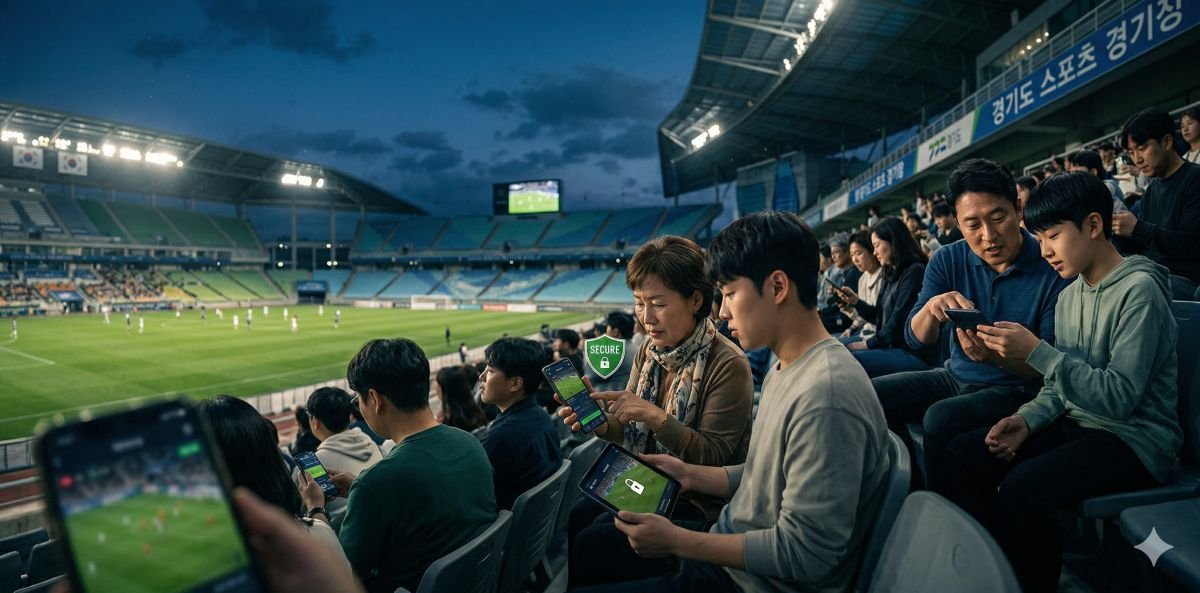

The excitement of K League 2 Round 7 reached a fever pitch on April 12, 2026, as local fans witnessed a gritty regional clash between Seongnam FC and the Ansan Greeners. For those who couldn’t secure a seat at the stadium, the battle was not on the pitch, but on the screen. However, as the final whistle blew, a concerning behavioral trend began to emerge across the Gyeonggi-do digital landscape: a surge in “grey-market” streaming mirrors.
As sports broadcasting in South Korea continues its rapid migration toward exclusive, paid digital platforms, the Ansan community is facing a new kind of “defensive play.” For fans used to traditional broadcasting, the friction of managing multiple subscriptions is increasingly leading them toward unauthorized streaming sites. While these mirrors promise immediate access, they often carry a hidden price tag that endangers personal data and device security.
The “Shadow” Platform Risk: The True Cost of Free
In the digital bleachers of 2026, there is rarely such a thing as a free lunch—or a free match. Unauthorized streaming platforms, often referred to as “shadow” sites, survive by monetizing their traffic through high-risk avenues. For a casual supporter in Ansan looking to catch an away match, the simple act of clicking a play button can trigger a chain reaction of security threats.
These sites are frequently embedded with malicious scripts designed to execute without the user’s knowledge. These scripts can range from “crypto-jacking” software—which hijacks your device’s processing power—to more invasive spyware that tracks keystrokes and harvests login credentials for banking and social media.
Furthermore, the “phishing pop-up” remains a primary weapon. These are deceptive windows that mimic official system alerts or login prompts, tricking fans into providing “verification” information during a high-tension moment in the game. In these instances, the excitement of a goal is used as a psychological lever to bypass the user’s natural caution.
The Psychology of the Interface
A significant hurdle in digital literacy is the increasing sophistication of these shadow platforms. Many grey-market sites now use high-quality graphics and professional-looking layouts that mimic the branding of official K League partners. This creates a false sense of security for the viewer.
Research into 인터페이스가 위험 인식을 형성하는 방식 (how interfaces shape risk perception) suggests that when a digital environment looks “familiar” or “professional,” our brains are statistically more likely to grant it unearned trust. For the Ansan community, navigating this requires a fundamental shift in behavior: moving away from judging a site by its appearance and instead verifying its origin.
Identifying the Social Media Vector
One of the most common ways Gyeonggi-do residents stumble into these digital traps is through “live link” aggregators. During major matches, unmoderated comment sections on social media and open chat rooms are flooded with links promising “High Definition Free Streams.”
These aggregators are primary vectors for digital credential theft. Often, the link does not go to a video feed at all, but to a landing page that requires a “temporary account” or a social media login to proceed. By the time a fan realizes the feed is non-existent, their account details have already been compromised.
Behavioral Tip: Fans should treat unverified links in social media comments as digital “pickpockets.” Just as you would be cautious of your wallet in a crowded subway station, you must be cautious of your data in a crowded digital forum.
Verification: The Closed Ecosystem Advantage
The safest way for fans to engage with the Ansan Greeners and the wider K League ecosystem is to stay within “closed” digital environments. Official partners and localized broadcast apps provide a layer of protection that unauthorized mirrors simply cannot.
Verified Apps: Legitimate platforms are audited by app stores (Google Play or Apple App Store) and must adhere to strict data privacy regulations.
Encrypted Connections: Official streams use end-to-end encryption to ensure that your viewing habits and billing information remain private.
Accountability: Unlike shadow sites, official platforms have a legal obligation to protect user data and provide support if a security breach occurs.
Responsible digital engagement begins with the conscious choice to prioritize security over convenience. It involves recognizing that while a subscription fee is a visible cost, the potential loss of personal data through a malicious mirror is a much higher, invisible risk.
Building a Literate Fan Culture
As we move further into the digital age, being a “supporter” now involves more than just cheering in the stands; it involves protecting the digital health of the community. This is particularly vital for the younger generation of fans who are most active in these digital spaces.
Understanding how Korean Generation Z sports fans engage differently with digital media based on their literacy level is key to fostering a safe environment. By encouraging “verification behavior” and raising awareness about the risks of unauthorized mirrors, the Ansan community can ensure that the only drama they experience is what happens on the pitch.
In the end, digital literacy is a form of defense. By identifying secure platforms and avoiding high-risk behaviors, fans can focus on what truly matters: supporting their team with peace of mind.